World churches body delegation makes solidarity visit to Ukraine
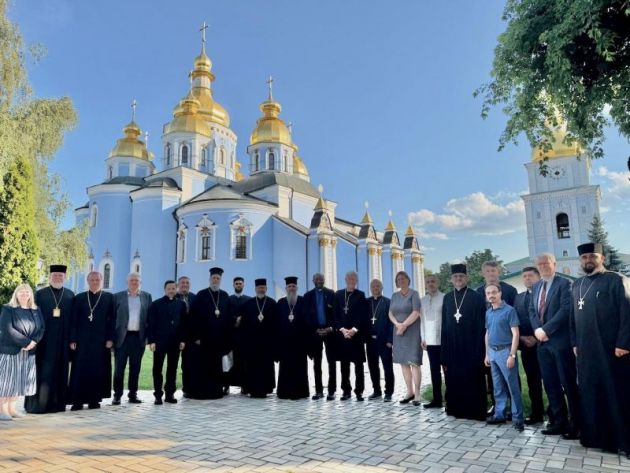
A delegation from the World Council of Churches has made a solidarity visit to Ukraine, which it said is "walking in hope and praying with churches and communities for an end to the war," started by the Russian invasion four years ago.
The July 14-17 visit occurred while the Ukrainian Council of Churches and Religious Organizations, which represents more than 90 percent of religious organizations and communities in Ukraine was celebratings its 30th anniversary, the WCC said.
The July 14-17 visit occurred in conjunction with the 30th anniversary of the Ukrainian Council of Churches and Religious Organizations, which represents more than 90 percent of religious organizations and communities in Ukraine.
The delegation visited church leaders, including Metropolitan Epiphaniy, the chair of the Ukrainian Council of Churches and Religious Organizations as Ukraine resists the attempts by Russia to step up its invasion of Ukraine in 2022.
The Russian Orthodox Church which has openly supported Moscow's actions in the war in Ukraine is the WCC largest numerical member and has faced criticism from the world church body's leadership.
During the visit, the delegation emphasized its deep commitment to ending the war; supporting humanitarian efforts; encouraging dialogue wherever possibilities emerge; and accompanying the churches of Ukraine in their ministry of healing and hope.
The WCC delegation included: Rev. Jerry Pillay, WCC general secretary; Bishop Heinrich Bedford-Strohm, moderator of the churches' central committee; Rev. Karin van den Broeke, a WCC executive committee member; Metropolitan Gabriel of Nea Ionias and Philadelphia, Church of Greece, a WCC central committee member; Rev. Frank-Dieter Fischbach, Conference of European Churches general secretary; and Marianne Ejdersten, WCC director of communication.
- 'MOVING EXPERIENCE'
"It was a deeply moving experience to visit Ukraine again," said Pillay. "We are greatly encouraged by the resilience, tenacity, and hope expressed in the people."
The Ukrainian Council of Churches and Religious Organizations is not yet a full member of the World Council of Churches.
However, the WCC has expressed its intention to support Ukraine and has engaged in various activities, including the solidarity visit to the country.
Pillay noted that, even though there is a sense of fatigue and frustration, yet there is a strong affirmation of the necessity of resistance and victory.
He said, "Many people commented on how brave the WCC delegation was in conducting a solidarity visit during a time of war. We responded that we will soon leave but they have to live with this experience every day."
Pillay said the delegation met church leaders, the Ukrainian Council of Churches and Religious Organizations (UCCRO), senior government officials such as Olena Kovalska, Deputy Head of the president's office, and Viktor Yelenskyi, Head of the State Service of Ukraine for Ethnic Policy and Freedom of Conscience; as well as local people.
"We received updates on the current situation with some new and deeply insightful information as we listened to the stories, thoughts, and feelings of the people."
Bedford-Strohm said the delegation was moved and impressed by the resilience and confidence with which the Ukrainian people react to the difficult situation they deal with.
"Despite constant air alerts and the threat of being targeted by Russian missiles or drones, they try to live a normal life," he said.
"Yet we felt the trauma from four years of war in many of our talks."
Bedford-Strohm noted that the close collaboration between the churches and religious organizations in giving comfort and strength to the people of Ukraine is vitally important.
"We take this 'existential ecumenism' home as an inspiring impulse for the ecumenical movement as a whole," he said.
- 'SOLIDARITY WITH UKRAINE'
"The great gratitude with which our visit was received was a humbling sign for the deep necessity of all signs of solidarity with Ukraine by the global community."
The delegation visited church leaders, including Metropolitan Epiphaniy, the chair of the Ukrainian Council of Churches and Religious Organizations as Ukraine resists the attempts by Russia to step up its invasion of Ukraine in 2022.
The Russian Orthodox Church which has openly supported Moscow's actions in the war in Ukraine is the WCC largest numerical member and has faced criticism from the world church body's leadership.
During the visit, the delegation emphasized its deep commitment to ending the war; supporting humanitarian efforts; encouraging dialogue wherever possibilities emerge; and accompanying the churches of Ukraine in their ministry of healing and hope.
The WCC delegation included: Rev. Jerry Pillay, WCC general secretary; Bishop Heinrich Bedford-Strohm, moderator of the churches' central committee; Rev. Karin van den Broeke, a WCC executive committee member; Metropolitan Gabriel of Nea Ionias and Philadelphia, Church of Greece, a WCC central committee member; Rev. Frank-Dieter Fischbach, Conference of European Churches general secretary; and Marianne Ejdersten, WCC director of communication.
"It was a deeply moving experience to visit Ukraine again," said Pillay. "We are greatly encouraged by the resilience, tenacity, and hope expressed in the people."
The Ukrainian Council of Churches and Religious Organizations is not yet a full member of the World Council of Churches.
However, the WCC has expressed its intention to support Ukraine and has engaged in various activities, including the solidarity visit to the country.
Pillay noted that, even though there is a sense of fatigue and frustration, yet there is a strong affirmation of the necessity of resistance and victory.
He said, "Many people commented on how brave the WCC delegation was in conducting a solidarity visit during a time of war. We responded that we will soon leave but they have to live with this experience every day."
Pillay said the delegation met church leaders, the Ukrainian Council of Churches and Religious Organizations (UCCRO), senior government officials such as Olena Kovalska, Deputy Head of the president's office, and Viktor Yelenskyi, Head of the State Service of Ukraine for Ethnic Policy and Freedom of Conscience; as well as local people.
"We received updates on the current situation with some new and deeply insightful information as we listened to the stories, thoughts, and feelings of the people."
Bedford-Strohm said the delegation was moved and impressed by the resilience and confidence with which the Ukrainian people react to the difficult situation they deal with.
"Despite constant air alerts and the threat of being targeted by Russian missiles or drones, they try to live a normal life," he said.
"Yet we felt the trauma from four years of war in many of our talks."
Bedford-Strohm noted that the close collaboration between the churches and religious organizations in giving comfort and strength to the people of Ukraine is vitally important.
"We take this 'existential ecumenism' home as an inspiring impulse for the ecumenical movement as a whole," he said.
"The great gratitude with which our visit was received was a humbling sign for the deep necessity of all signs of solidarity with Ukraine by the global community."